Enhance Your Brain's Full Potential

Scientific research demonstrates that anyone can significantly increase their cognitive capacity, resilience to stress, and overall creativity. Discover the evidence-based technique adopted by world-class athletes, executives, and organizations.

1 The Discovery of Enhanced Performance

After 20 years of investigating EEG brain wave patterns and extensive published research, an experienced scientific team confirmed a profound finding: there is an effortless, accessible method to develop your brain to its full potential.

This approach requires no medication, no devices, and no change in lifestyle or beliefs. It is practiced by sitting comfortably with eyes closed for just 20 minutes, twice a day—at home, in the office, or while traveling.

A flourishing tree representing mental growth

By allowing the brain to enter a unique state of "restful alertness," individuals can significantly increase:

  • Cognitive Function: Enhanced creativity, learning ability, faster absorption of material, and greater understanding.
  • Executive Control: Better decision making, strategic planning, and overall productivity.
  • Resilience: Profound reduction in stress, allowing for genuine recovery from fatigue and burn-out.

This method is universally applicable—for individuals looking to improve their well-being, and for organizations seeking to counter burnout while fostering an environment primed for breakthrough innovation.

Here is the Team

Our team consists of leading experts in brain performance research, neuroscience, and organisational development. Together, we combine decades of scientific research with practical experience in implementing brain optimization methods in organisations worldwide.

2 The Method

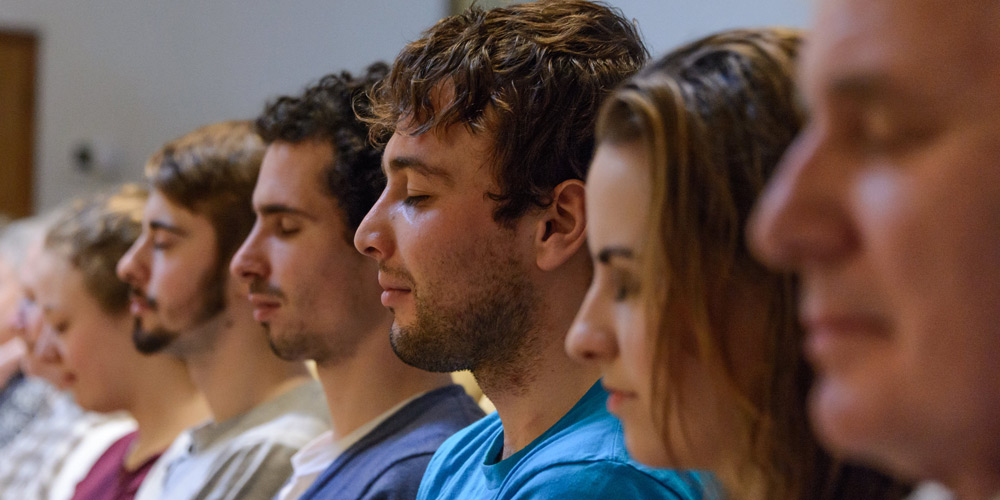
Person meditating peacefully

The method the team discovered is Transcendental Meditation (TM), a simple, effortless mental technique that can be practiced by anyone. TM requires no lifestyle changes, beliefs, or special skills—just 20 minutes twice daily sitting comfortably with eyes closed. Research shows it produces measurable improvements in brain functioning, stress reduction, increased clarity of mind and overall well-being.

What is Transcendental Meditation?

TM is a mental technique, and to practice it is simple: One sits in a comfortable position with the eyes closed. Then one practices a Sound – a word without meaning. Everyone will receive his or her individual Sound, and the way to use it: internally repeating this word without effort.

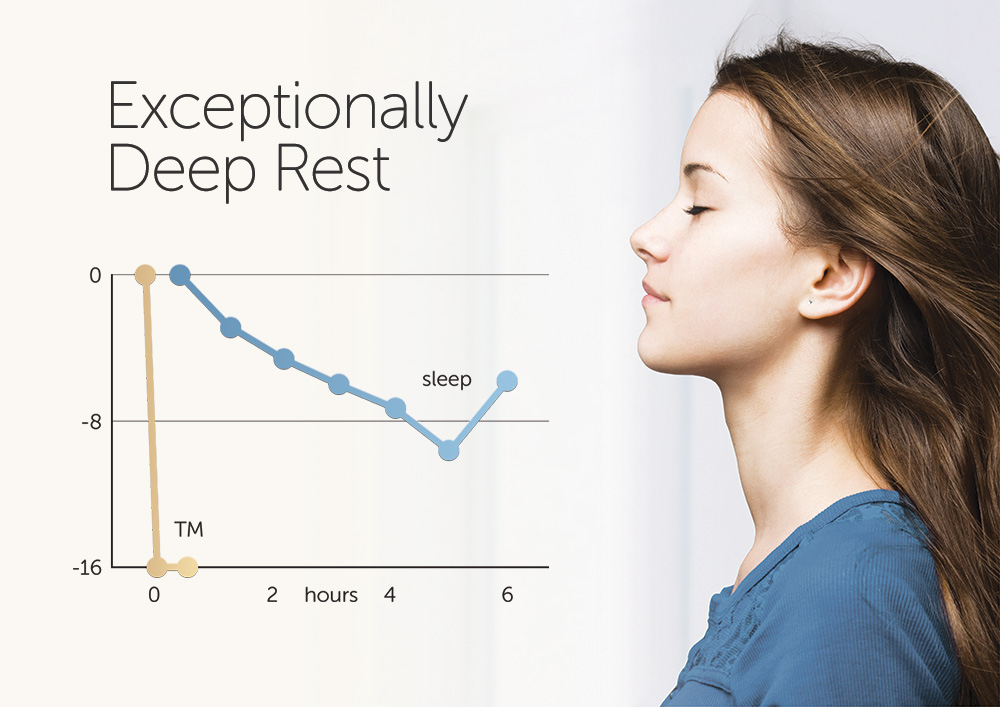
The magic of the sound is that it will bring your mind to rest: a restfulness deeper than sleep, but you will stay awake – alert.

You can practice at home or may be at the office in a quite space. This for 2 x a day, in the morning and after work.

This meditation stems from an ancient Indian tradition, and has been introduced in the Western world by Maharishi Mahesh Yogi – an Indian physicist and philosopher.

No other relaxation method or personal development technique can even match the results gained by TM.

How It Works

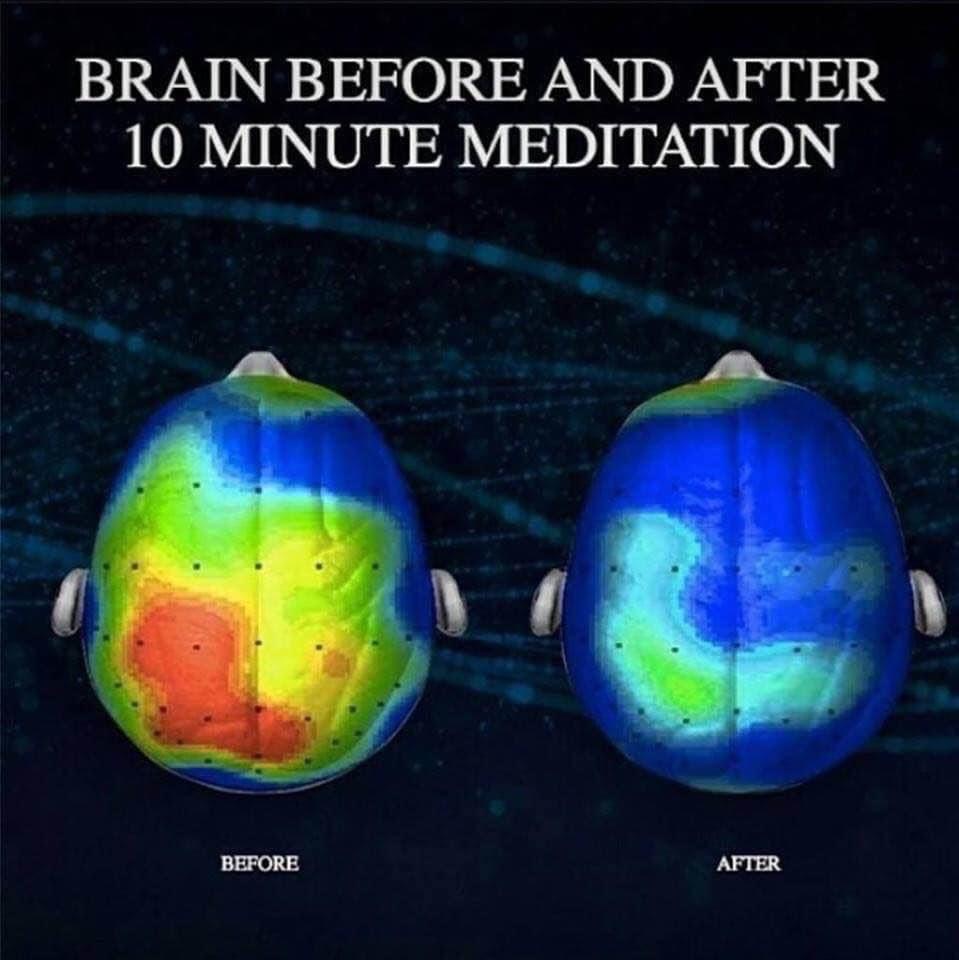
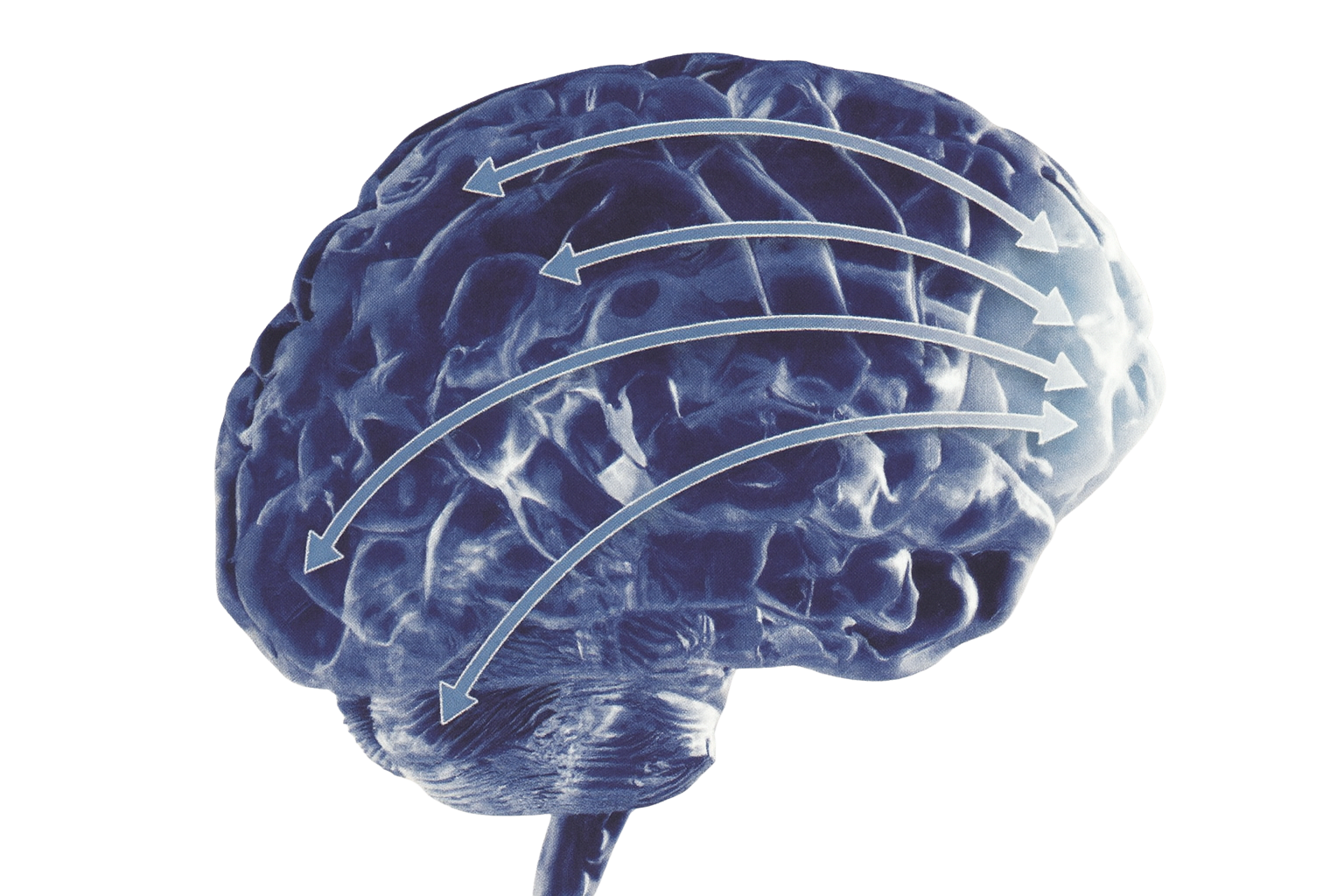
During TM practice, the mind naturally settles to a state of restful alertness—deeper than ordinary relaxation or sleep but fully alert. This unique state produces measurable changes in brain functioning that can be observed through EEG (electroencephalography) measurements. Research shows increased alpha coherence across brain regions, indicating better integration and communication between different parts of the brain.

Key Points for Organizations

  • Effortless: No concentration, contemplation, or control required. The technique works automatically.
  • Time-efficient: 20 minutes twice daily—can be practiced at home or in a quiet space at the office.
  • No lifestyle changes: No dietary requirements, philosophical commitments, or belief systems needed.
  • Evidence-based: Dozens of peer-reviewed scientific studies demonstrate measurable benefits.
  • Immediate and cumulative: Benefits appear from the first session and increase with regular practice.

What Makes TM Different from Other Relaxation Techniques?

Unlike Mindfulness meditation or concentration techniques that require active attention or monitoring of thoughts, TM is completely effortless. The mind naturally transcends thinking to experience a unique state of restful alertness. EEG research clearly distinguishes TM from other meditation practices, showing distinctive alpha coherence patterns not seen in Mindfulness or concentration meditation.

Practical Implementation in Organizations

TM can be learned by employees through a standardized course taught by certified instructors. The technique requires:

  • Initial instruction: Personal one-on-one session with a certified TM teacher
  • Follow-up sessions: Three 1 hour group sessions over consecutive days to refine the technique
  • Regular practice: 20 minutes twice daily—typically morning and afternoon/evening
  • Ongoing support: Optional follow-up sessions available to ensure correct practice

Once learned, TM is practiced independently by each individual employee. Group sessions or ongoing instruction can be organised on request, making it highly scalable and practical for organisations of any size.

Relevance for Knowledge-Intensive Organizations

In today's fast-paced, innovation-driven business environment, optimized cognitive performance is a critical competitive advantage. TM addresses the root cause of decreased performance—accumulated stress—by providing deep physiological and mental rest that allows the nervous system to release stress and restore optimal brain functioning. This results in:

  • Enhanced creativity and innovative thinking
  • Improved decision-making under pressure
  • Better focus and concentration
  • Increased resilience to stress and challenges
  • Better work-life balance and overall well-being

Major organisations worldwide—including technology companies, financial institutions, and healthcare organisations—have successfully implemented TM programs for their employees, with measurable improvements in productivity, job satisfaction, and reduced healthcare costs.
3 The research the Team studied

Our work is based on extensive scientific research published over 20 years. Below is an overview of the main research areas and scientific references organised by theme: EEG research, supporting research, cardiovascular health, workplace research, and brain functioning. Links to documents and articles are included.

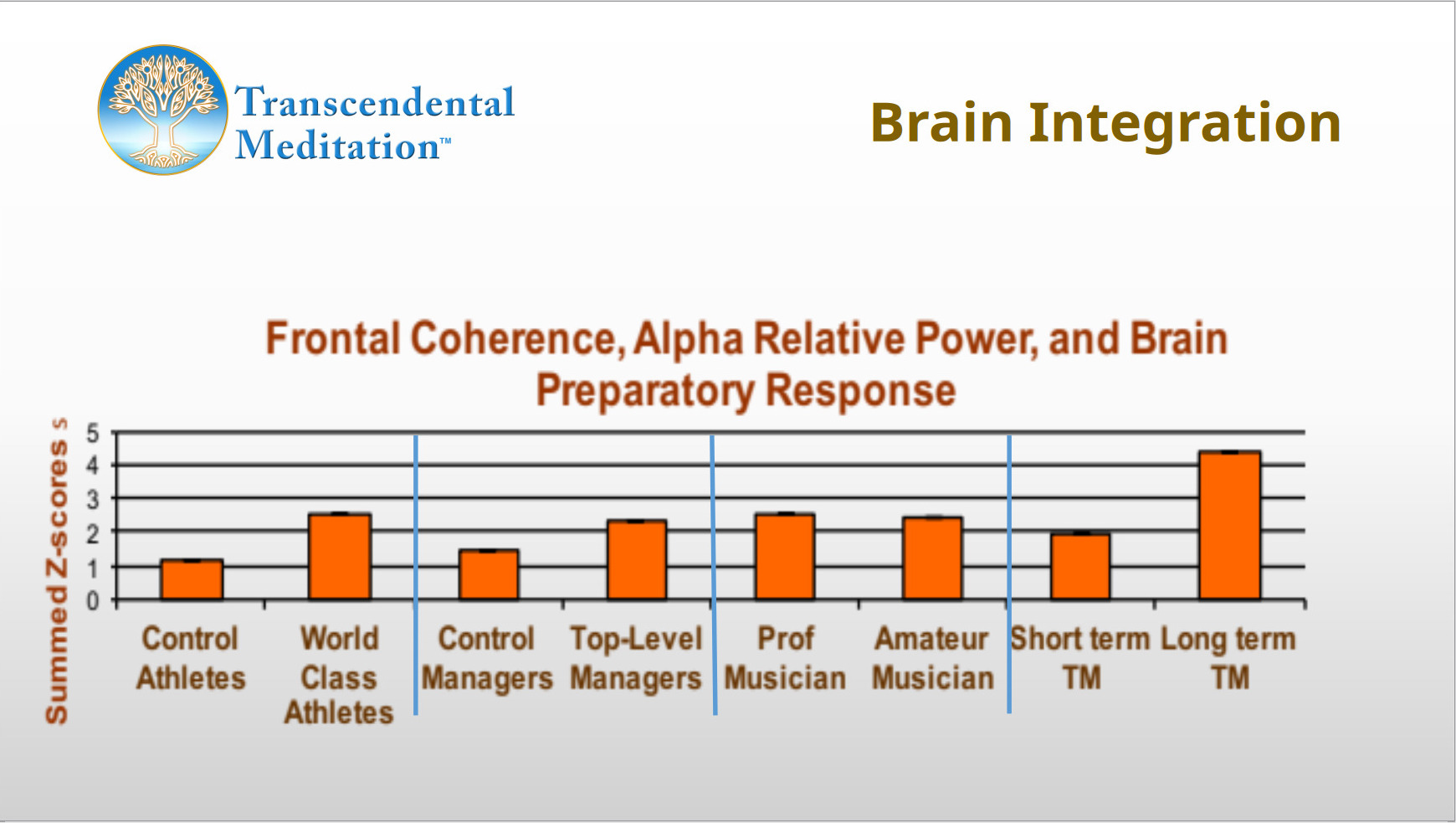
Dr. Harald Harung et.al. measured the brain functioning of world-class performers. He measured top athletes, top entrepreneurs and top artists to discover what type of brain wave patterns would dominate in such people. This to define an objective standard to identify brain functioning that relates with excellence, EEG that matches with top performance, called the Brain Integration Index.

Harung 1
Harung 2

Ordinary people show different EEG patterns than top performers. Their brain functions and integration between different parts are less efficient. But as soon as these ordinary people started to practice TM, their brainfunctioning started to change, and gradually began to show more and more aspects similar to those patterns related to world class excellence.

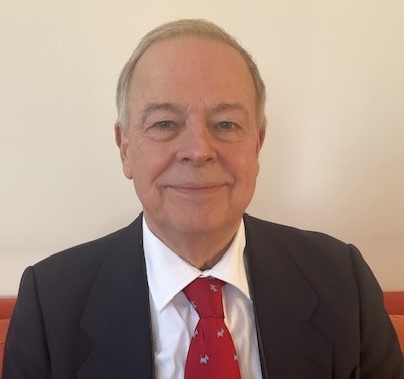
Prof. Dr. Geert Jan Tangelder

In the article below written by Prof. Dr. Geert Jan Tangelder, you will find a short summary of the wide range of scientific research studies regarding TM that have been conducted in recent years. Prof. Tangelder especially highlights some of the benefits you may expect when your organization will offer TM to your employees. This to make your organization more innovative by creating better use of brain productivity, and enable all personnel to become more stress resilient whenever workpressure conditions might increase, consequentially preventing burnout.

Read the full article

(i) EEG Research

EEG, fMRI and neurophysiological research on brain function during and after TM practice.

✅ EEG example video – Prof. Fred Travis → As an introduction

EurekAlert! report on coherent alpha activity

Recent reporting on the relationship between TM, coherence and recovery from stress.

Study of Effects of TM on Frontal Power Asymmetry and Coherence

Travis & Arenander (2006) – International Journal of Neuroscience research on EEG coherence and frontal power asymmetry.

TM Research Review – Travis (2013)

Review article on Transcendental Meditation research and findings.

Transcendental Meditation in the treatment of mental and physical conditions

Orme-Johnson, D. W. (2021). The Oxford Handbook of Meditation. Oxford University Press.

DOI
Reductions in perceived stress following Transcendental Meditation practice

Avvenuti, G., et al. (2020). Brain and Cognition, 139, 105517.

DOI
fMRI during Transcendental Meditation practice

Malone, M., et al. (2018). Brain and Cognition, 123, 30-33.

DOI
Effects of TM Practice on Brain Integration, Sleep, Coherence and GSR

Travis et al. (2009) – International Journal of Psychophysiology research on brainwave coherence, sleep and stress reactivity in students.

Categories of Meditation – Comparison Study

Travis & Shear (2010) – Consciousness and Cognition research on differences between meditation types.

ADHD, Brain Functioning, and Transcendental Meditation Practice

Travis, Grosswald & Stixrud (2011) – Mind & Brain research on TM for ADHD through stress reduction.

Coming Soon Bernard Markus – Special EEG Findings in New Meditators

New article on research on special EEG findings in new meditators.

4 What benefits do I get from this method?

Person looking peaceful and relaxed

Practicing Transcendental Meditation brings measurable improvements in mental clarity, emotional resilience, and physical well-being. You'll experience greater calm, reduced stress, better sleep, increased creativity, and improved decision-making. These benefits appear from the first session and continue to grow with regular practice.

You will feel more rested, calm and happy. The inner feeling of peace will start to rise and dominate your actions. Circumstances you lived in, causing pressure sometimes or all the time, that looked threatening even, will affect you less and less. You perceive less stress, become more capable to solve things from within. Feeling stronger.

Difficult situations will cause less friction inside, and you can handle circumstances that would normally affect you in a negative sense, more easily and with more satisfactory results.

You get more resilient. Capable of handling pressure inside yourself.

Your alertness will increase, and you will understand things at more depth. Find connections between things more quickly. Complexity of problems no longer turn out to be too much of a hurdle to take.

Feel more at ease within yourself, as well as with life as such. Life will show more value to you. Relationships deepen. Things seem to fall into place more often.

From a physical point of view: your sleep becomes more restful. Your anxiety levels decrease and energy levels increase.

5 Can I offer this practice to my employees? What will it do for my organisation?

Yes, you can offer Transcendental Meditation to your employees. Organizations worldwide have implemented TM programs with measurable results: reduced burnout and stress, increased productivity and creativity, better decision-making, and improved employee well-being. TM is practical, scalable, and requires no lifestyle changes—making it ideal for any organisation seeking to enhance performance and support their workforce.

Corporate team meditating together

Burnout Prevention & Recovery

Research on Transcendental Meditation for preventing and reducing burnout among healthcare professionals, academic physicians, and students.

Developing the Total Brain Capacity and Productivity for Executive Excellence

In today’s high-pressure corporate environment, leaders and teams need more than skills – they need a resilient, high-performing nervous system. The Transcendental Meditation (TM) technique systematically develops the total brain, improving clarity, creativity, emotional balance, and decision-making at every level of the organisation.

  • Clearer decisions under pressure: Leaders think more clearly and make better, more balanced choices.
  • Less stress and burnout: Deep rest for the nervous system, better sleep, and more resilience.
  • More creativity and innovation: A calmer mind allows fresh ideas and solutions to emerge.

For Healthcare Leaders & Professionals

Healthcare leaders and professionals carry a unique combination of responsibility, emotional load, and time pressure. TM offers deep, measurable rest for the nervous system, helping reduce stress and fatigue while strengthening clarity, empathy, and resilience – essential qualities for safe, patient-centered care.

  • Reduced stress and emotional overload: TM helps normalize stress responses, supporting calm, grounded decision-making in critical situations.
  • Greater resilience and energy: Better rest and recovery translate into more sustainable performance and less risk of burnout.
  • Clearer, more compassionate leadership: A quieter mind makes it easier to listen, connect, and lead teams through complexity and change.

For Education: Schools & Universities

Modern education environments are intense – constant information, performance pressure, and digital distraction. TM gives students and staff deep rest and inner stability, improving attention, memory, emotional balance, and overall well-being. This creates a more settled atmosphere in classrooms and lecture halls, where real learning can flourish.

  • Better focus and learning capacity: Students concentrate more easily and retain information more effectively.
  • Less anxiety and exam stress: Regular TM practice helps calm the nervous system and build inner confidence.
  • Healthier school climate: As individuals become more balanced, relationships and classroom dynamics naturally improve.

Proven Results

The TM program has been already implemented in 50 schools across 7 EU countries during 2 Erasmus+ KA3 funded projects, FRIENDS and EUROPE , with significant results: reducing stress and burnout, enhancing motivation, and strengthening emotional resilience in both teachers and students.

6 Personal Experiences – TESTIMONIALS

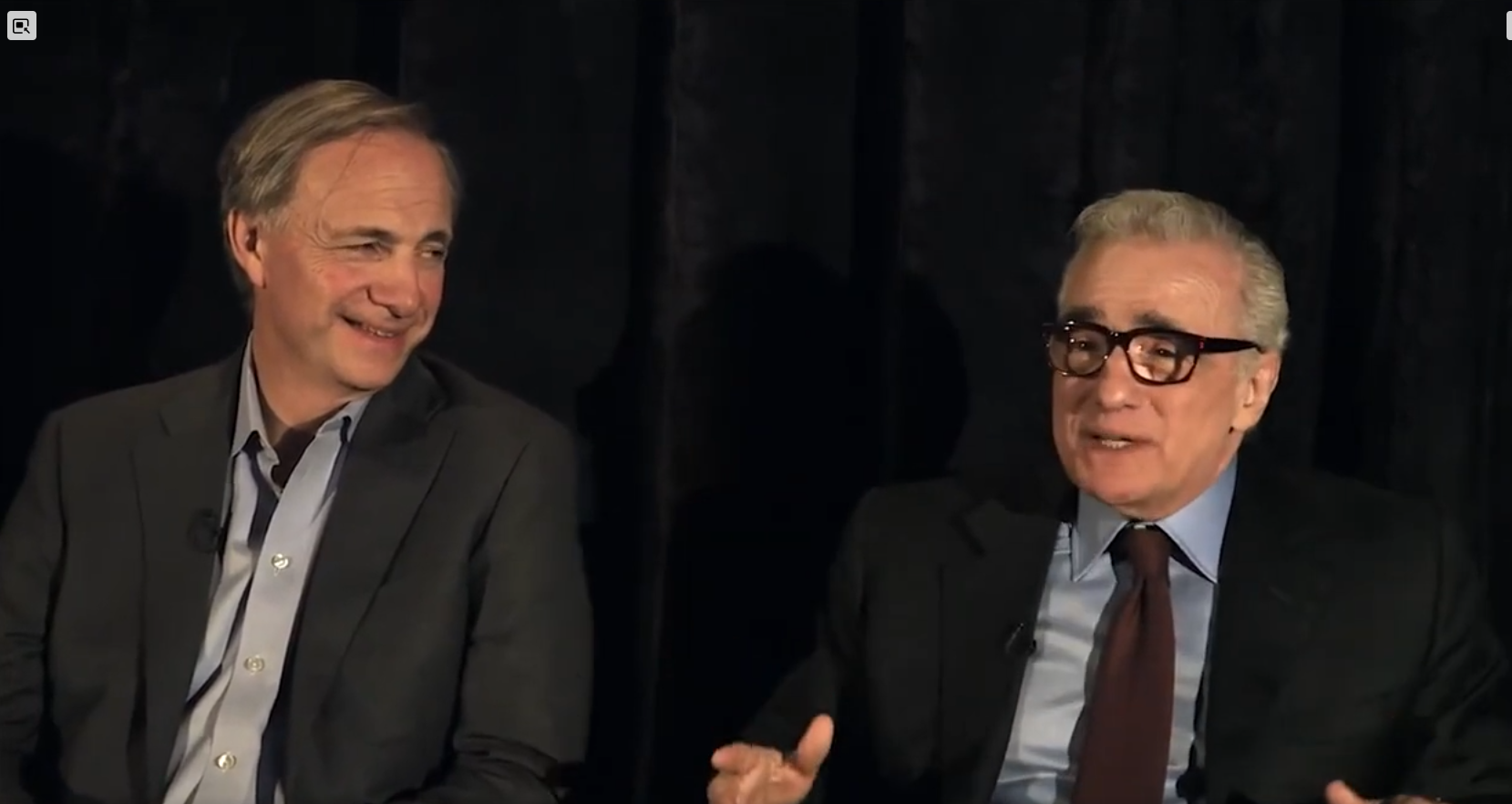
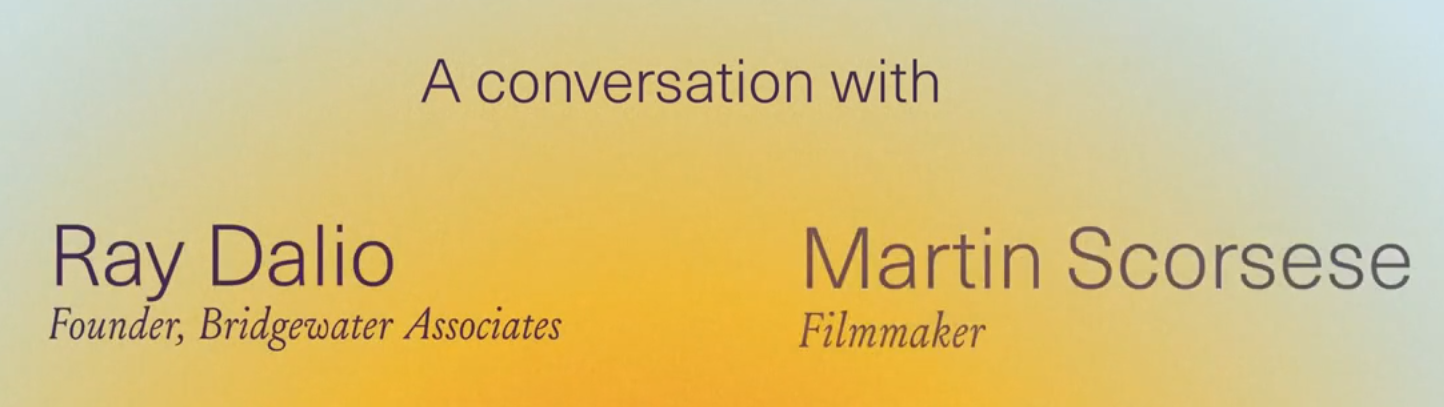
Martin Scorsese and Ray Dalio

Video with Ray Dalio & Martin Scorsese

Real experiences from people who practice Transcendental Meditation, shared across different aspects of life. These testimonials from individuals, celebrities, and professionals demonstrate the tangible benefits of TM practice—from improved physical health and mental clarity to enhanced creativity and organisational success.

Physical Benefits

"I'm just a 1000% better person when I do this. Better sleep, less migraines, more energy."

— Oprah Winfrey

"I feel so much more relaxed, less tense, happier. The effect is undeniable. My life has completely changed."

"TM has become a real anchor point in my daily life. I feel so much calmer, less tense, happier. I've meditated for five months now and haven't missed a single meditation."

— An Soontjes, Music Therapist

Mental Benefits

"Transcendental Meditation has been a lifelong gift. It gave me stability and moments of serenity in times of madness."

— Paul McCartney

"Nothing has ever opened my eyes like Transcendental Meditation has. It has completely changed my life! It makes me calm and happy and gives me peace and silence in a chaotic life!"

— Hugh Jackman, Actor

I use TM as a tool for:

  • Regenerating, restoring energy in general.
  • Replacement of therapy during burnout: during burnout the lack of energy comes from the mind and not the body. In deep meditation the mind finds rest, and energy gets restored.
  • Handling stress and deadlines: TM makes it easier for me to deal with stress and stay calm under time pressure.
  • Decision-making: during meditation my mind is clear and decision-making becomes easier, even so much that I make important decisions after meditation.
  • Creativity: not just in design, but also in problem solving; when the mind settles into a deep state, it becomes focused and clear — that’s when new perspectives and ideas pop up.
  • Resilience in difficult situations: in deep meditation, positive viewpoints tend to surface, even during tough times. TM helps me navigate stress, anxiety, and even trauma.

— Ir. Sandra ten Dam, Architect, Tech University Eindhoven.
Project leader, International Architect Bureau, Zurich, Switzerland

Social & Organizational Benefits

"I paid for all 400 of my employees to learn TM. We meditate together at 9 AM and 4:30 PM every day. It has led to improved relationships, increased productivity and creativity throughout the company."

— Oprah Winfrey

"In my experience as an investor and entrepreneur, regular TM has been an important tool to stay clear, calm and effective under pressure."

— Ray Dalio, Investment Manager, Founder of Bridgewater Associates, and Martin Scorsese, filmmaker

Martin Scorsese and Ray Dalio
"The thing about Transcendental Meditation is: you get what you came for. The stress goes away, and you get more energy, more creativity, more intelligence, more love, more energy, more happiness."

— David Lynch, Filmmaker

"TM is for me like coming home. Finally I found it. I just enjoy life, both small and big things, and I do things I never thought I could do, with pleasure!"

— Hendrik Verdonck, Graphic Designer

7 Frequently Asked Questions

Common questions about Transcendental Meditation answered. Learn about how TM differs from other meditation techniques, safety considerations, costs, and what to expect when learning and practicing TM.

Is TM different from other techniques, such as Mindfulness, Yoga?

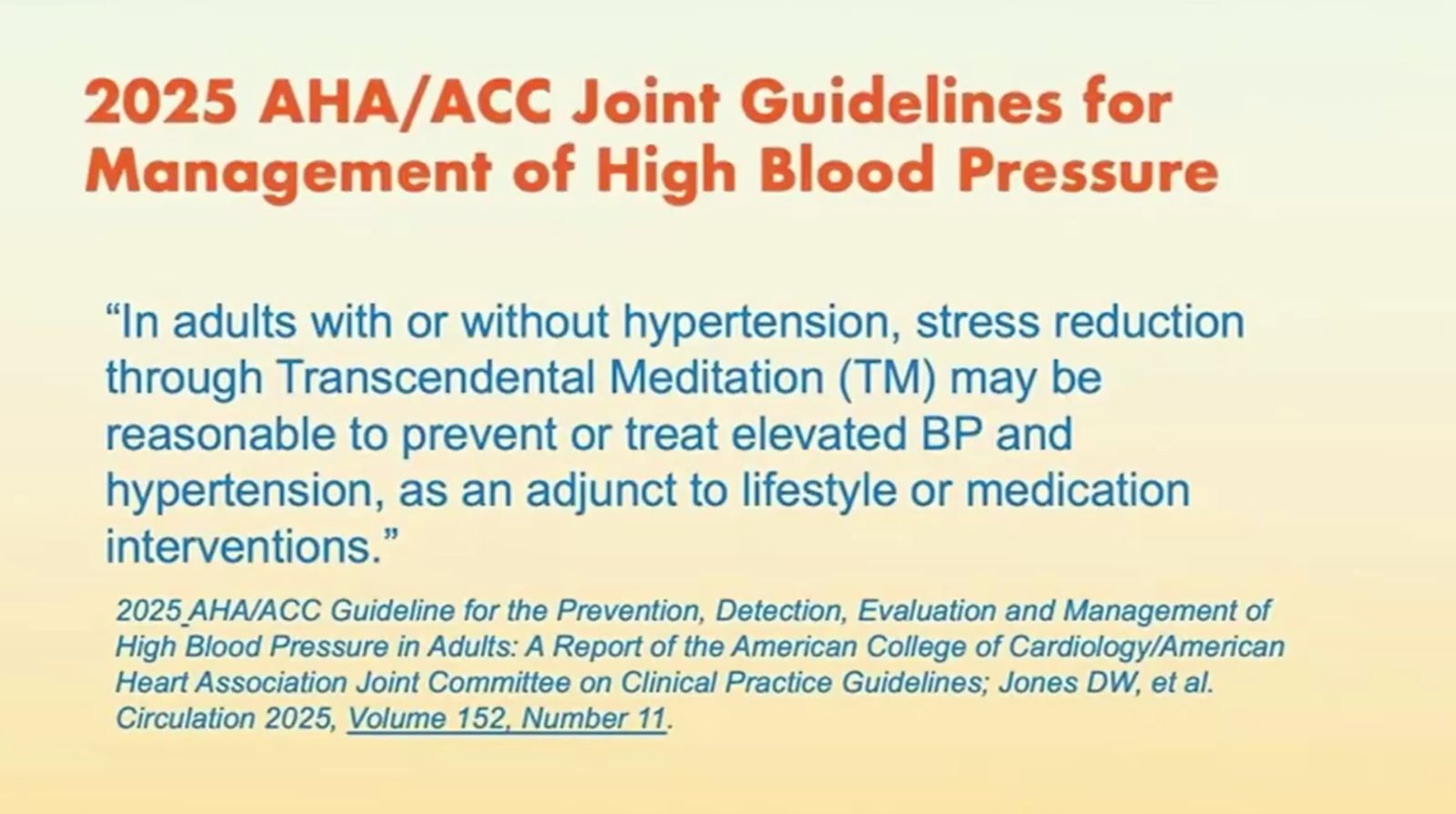
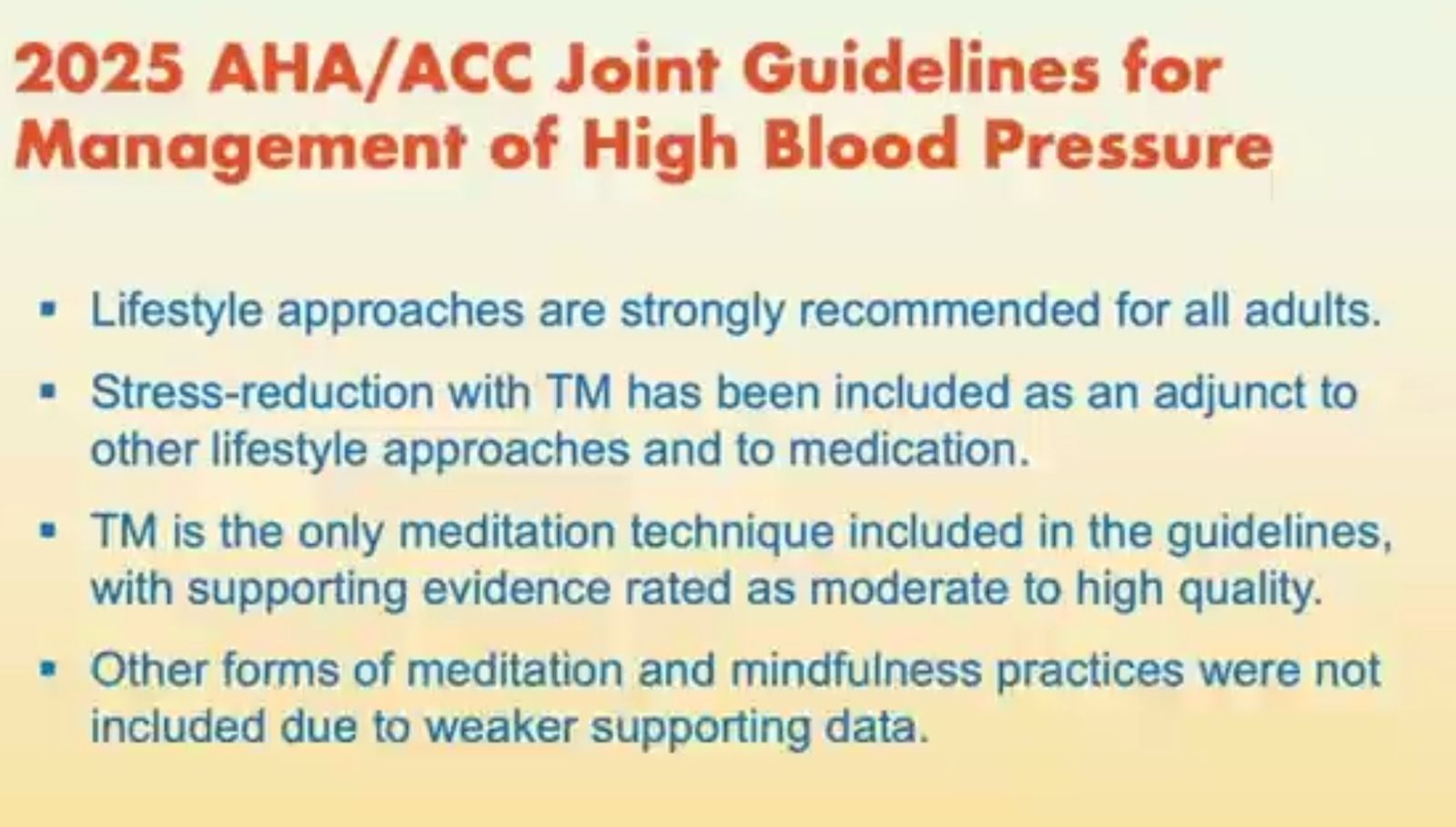
Quotes form the American Heart Association / American College of Cardiology : "In adults with or without hypertension, stress reduction through Transcendental Meditation (TM) may be reasonable to prevent or treat elevated blood pressure and hypertension, as an adjunct to lifestyle or medication interventions." Source: 2025 AHA/ACC Guideline for the Prevention, Detection, Evaluation and Management of High Blood Pressure in Adults (Circulation 2025, Volume 152, Number 11).

AHA/ACC 2025 guideline quote on TM and blood pressure
AHA/ACC 2025 guideline bullets on TM evidence

Key Schneider publications on TM & cardiovascular health:

TM vs. Mindfulness

Mindfulness: Requires monitoring your thoughts, maintaining active attention, and staying aware of present-moment sensations. It keeps you in the beta/alpha brain wave range (active thinking).

TM: Is completely effortless—you don't monitor, control, or focus on anything. The mind naturally transcends beyond thought to a deeper level of rest. This produces a distinctive pattern of widespread alpha coherence across the brain (restful alertness).

Research shows: EEG patterns are clearly different. Mindfulness shows active attention (beta waves), while TM shows the unique pattern of restful alertness (widespread alpha coherence) that produces deeper stress release.

More about Mindfulness vs. TM
  • Structure: Mindfulness is a broad label for many different methods; TM is one standardized technique with a uniform course model.
  • Results: Mindfulness shows small-to-moderate effects on stress, anxiety, and depression, with large variation between programmes; TM shows consistent benefits for stress, anxiety, and especially cardiovascular risk markers (blood pressure, stress hormones).
  • Risks: Adverse effects (e.g., increased anxiety, traumatic re-experiencing) are increasingly reported in mindfulness-based programmes, especially in vulnerable groups and intensive settings; TM studies over many years show predominantly neutral-to-positive safety profiles.

TM vs. Yoga

Yoga: Is primarily a physical practice involving postures (asanas), breathing exercises (pranayama), and sometimes meditation. It focuses on physical flexibility, strength, and body-mind integration through movement.

TM: Is purely mental—no physical postures or movements required. You sit comfortably with eyes closed. It's designed specifically to produce deep rest and reduce accumulated stress in the nervous system, which can complement yoga beautifully.

Many people practice both TM and yoga—they're complementary rather than competing practices.

What Makes TM Unique?

  • Effortless: No concentration, no monitoring, no control
  • Scientific validation: Over 380 peer-reviewed studies showing specific benefits
  • Standardized teaching: Taught by certified instructors using a consistent methodology
  • Deep rest: Produces a unique state of restful alertness measured by EEG
  • Time-efficient: 20 minutes twice daily produces optimal results
This all sounds wonderful, but are there any negative aspects?

No, there are none. How could deep relaxation have other than positive effects?!

Extensive research spanning over 50 years has found TM to be remarkably safe. After hundreds of peer-reviewed studies conducted at major universities and research institutions, no study published in a major scientific journal has shown TM to produce anything other than positive effects.

Safety Profile

TM has been studied in diverse populations including:

  • Patients with cardiovascular disease
  • Military veterans with PTSD
  • Children and adolescents
  • Elderly populations
  • People with anxiety and depression
  • Corporate employees and executives

Across all these studies, no significant adverse effects have been reported.

Why TM is Safe

  • Effortless: Unlike techniques requiring concentration or control, TM is completely natural—you can't "do it wrong" or strain yourself
  • Physiological rest: TM produces deep rest that's actually more restful than sleep, allowing the body to naturally heal and rebalance
  • Certified instruction: Proper teaching ensures safe and effective practice from the start
  • 50+ years of research: Extensive safety data across millions of practitioners worldwide

Bottom line: The research evidence is clear—TM is not only safe but is specifically recommended for many conditions including hypertension, anxiety, PTSD, and cardiovascular disease by leading medical organisations like the American Heart Association.

Are there any costs involved to start?

Yes, there is a personal fee if you start on your own. And when an organisation offers TM to its employees, there's a corporate-fee. The fee covers the instruction (4 consecutive days, 1 hour per day), as well as life-long (optional) regular monthly follow-up sessions (1 hour per session). It includes also the options for participating in group sessions for knowledge transfer, to learn more about the ancient roots from which this meditation stems from.

Course Structure & What's Included

The complete TM course includes:

  • Free introductory talk (60 minutes) - Learn about TM, meet a teacher, ask questions
  • Personal one-on-one instruction (1 hours) - You learn your personalized technique
  • Three follow-up group sessions (1 hour in 3 consecutive days) - Verify correct practice and deepen understanding
  • Lifetime support: Unlimited refresher courses, checking sessions, and access to certified teachers worldwide

Pricing & Financial Options

TM course fees are designed to be accessible:

  • Income-based pricing: Fees are adjusted based on your financial situation
  • Payment plans: Available to spread the cost over time
  • Corporate programs: Many organisations offer TM as an employee benefit

Value & Return on Investment

Many practitioners find that TM pays for itself through:

  • Reduced healthcare costs: Lower stress, better sleep, improved cardiovascular health
  • Increased productivity: Better focus and decision-making can save time and prevent costly mistakes
  • Reduced need for stress management: Less reliance on other wellness tools or treatments
  • Improved performance: Enhanced creativity and problem-solving in professional settings

For specific pricing information and to discuss financial options, we recommend contacting your local TM center or visiting tm.org to find certified teachers in your area.

Contact Us